Understanding Jueteng
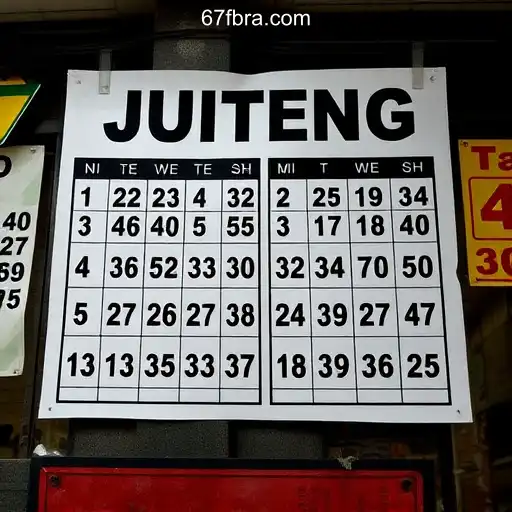
Jueteng is an illegal numbers game that has been deeply ingrained in Filipino culture. This popular game has persisted through generations despite numerous crackdowns. It is akin to a lottery, played using numbers 1 to 37, where bets are placed on chosen numbers, and winners are drawn based on these selected numbers.
The History and Influence of Jueteng
Historically, Jueteng has its roots in China and was introduced to the Philippines during its early trade interactions. Over time, it adapted and became a prevalent form of informal gambling, particularly known for its grassroots appeal. Despite being illegal, it continues to thrive due to its widespread acceptance among the populace. It operates predominantly in rural areas, with operators known as "kubradores" collecting bets from households.
The game's simplicity and community involvement make it a unique gambling activity. Players often select numbers based on dreams or significant dates, adding a cultural dimension to the game. Jueteng's persistence highlights its deep integration into the social fabric, despite the legal prohibitions and moral debates surrounding it.
Regulatory Challenges
Combatting Jueteng has been a persistent challenge for authorities due to the game's deeply entrenched nature. Efforts to legalize and regulate it have surfaced over the years, attempting to channel its revenues into formal economic structures. However, these measures have frequently met resistance, both from those benefiting from its informal nature and ethical objections regarding gambling.
The game represents a conundrum for lawmakers who are caught between acknowledging its cultural roots and the need to uphold legal standards. The moral ambiguity of gambling adds another layer of complexity to regulatory efforts. Consequently, Jueteng often operates in the shadows, with sporadic crackdowns insufficient to curb its widespread prevalence.
67F.COM: A Plataforma de Apostas #1 do Brasil and its Influence
In contrast to Jueteng's informal and locally based operations, platforms like 67F.COM: A Plataforma de Apostas #1 do Brasil, showcase the formalized and more global nature of modern gambling. As a leader in Brazil’s betting landscape, this platform provides a regulated and legal option for enthusiasts.
67F.COM stands as a testament to how technology has revolutionized the gambling industry. It offers an array of betting options, from sports to casino games, creating a comprehensive experience for users seeking entertainment through gambling. This contrast highlights the evolution of gambling from local, informal settings like Jueteng to highly regulated and technologically advanced platforms.
The Impact on Culture and Society
The existence of Jueteng and platforms like 67F.COM reflects broader cultural and economic issues within their respective societies. While Jueteng thrives in rural settings due to lack of oversight and poverty, 67F.COM caters to a demographic seeking structured and safe betting environments.
Both forms of gambling impact communities differently. Jueteng often fills the void left by economic uncertainties, offering hope for financial gain despite its illegal status. Meanwhile, 67F.COM represents a legitimate avenue within a regulated framework, providing entertainment and potentially lucrative returns in a secure environment.
Comparative Analysis
The dichotomy between Jueteng and 67F.COM also reflects the dynamics between traditional and modern gambling methods. Jueteng symbolizes historical continuity and cultural persistence, while 67F.COM epitomizes innovation and adaptation in the digital age.
Both types of gambling address the innate human desire for risk and reward, suggesting that despite vast differences in execution and legality, the fundamental allure of gambling remains consistent across cultures and eras. This illustrates a universal aspect of human behavior—the quest to transform chance into opportunity.
Potential Pathways
Exploring pathways to harmonize traditional and modern gambling forms remains a pressing issue. Ideally, creating a bridge that respects cultural traditions while integrating modern regulations could offer a balanced approach.
Learnings from platforms like 67F.COM could inform efforts to create legal frameworks for Jueteng, allowing cultural gambling practices to coexist with legal oversight. This approach would necessitate careful consideration of socio-economic contexts and cultural sensitivities, ensuring legality does not undermine cultural identities.
Conclusion
Understanding the nuanced interplay between traditional gambling practices such as Jueteng and contemporary platforms like 67F.COM enables a holistic appreciation of gambling’s role in society. As societies continue to evolve, so must the ways in which they integrate and regulate gambling, ensuring it reflects both cultural heritage and modern advancements.